Campus events
Sustainability
Corporate 16 October 2024
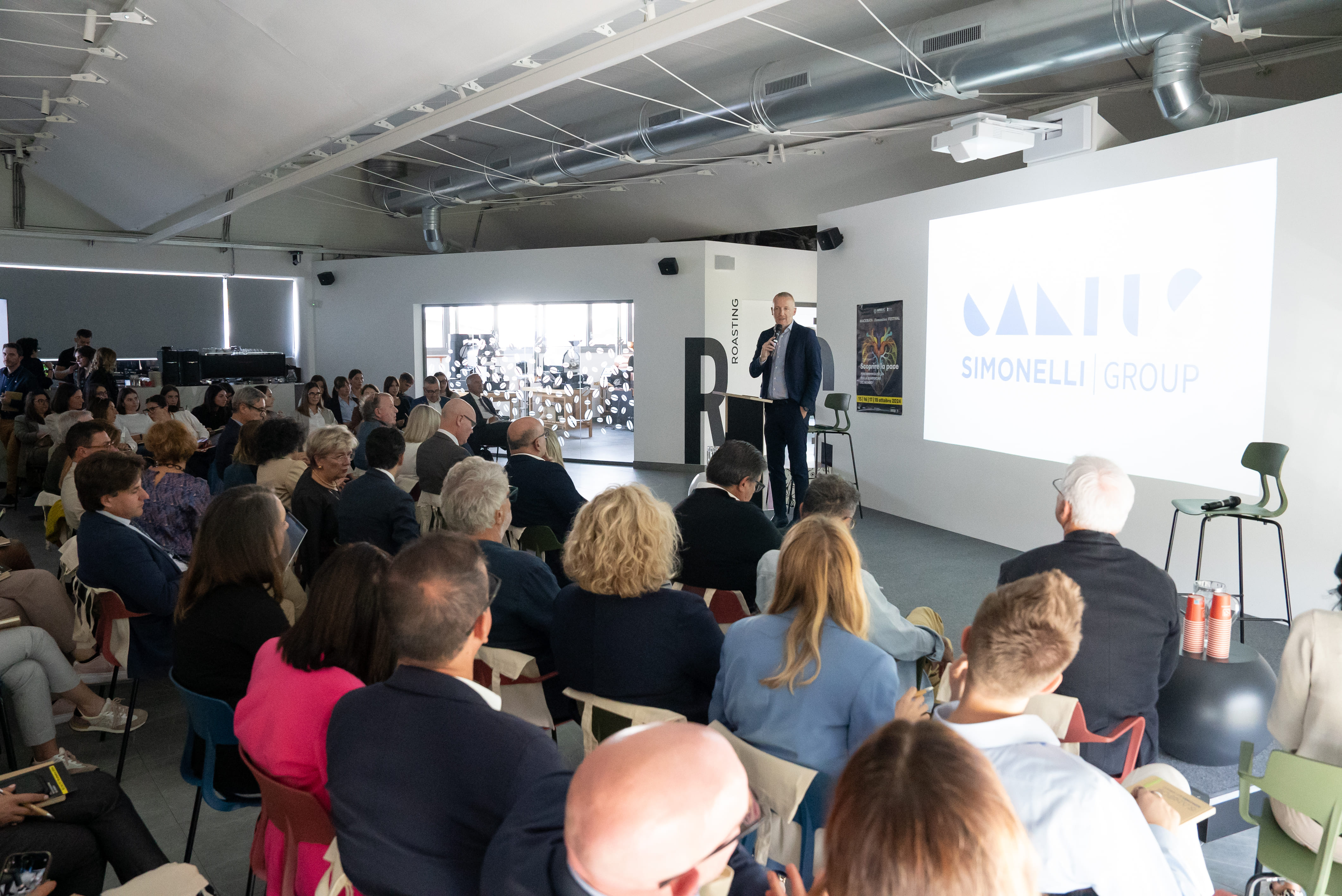
In today’s context of rapid economic and social transformation, reflecting on the relationship between private life and work has become crucial to dealing with the new complexities of the world of work.
The emergence of a growing demand for flexible work, especially from young recent graduates, poses a number of challenges to human resource managers and to companies themselves, which, in addition to focusing on increasing productivity, are now being called upon to give concrete consideration to the overall well-being of employees, which comes through the distribution of fair workloads, the need for disconnection, and the possibility of a good work-life balance.
Promoting effective work-life balance policies is therefore critical to building sustainable work environments that value personal balance as a key element for productivity and innovation.
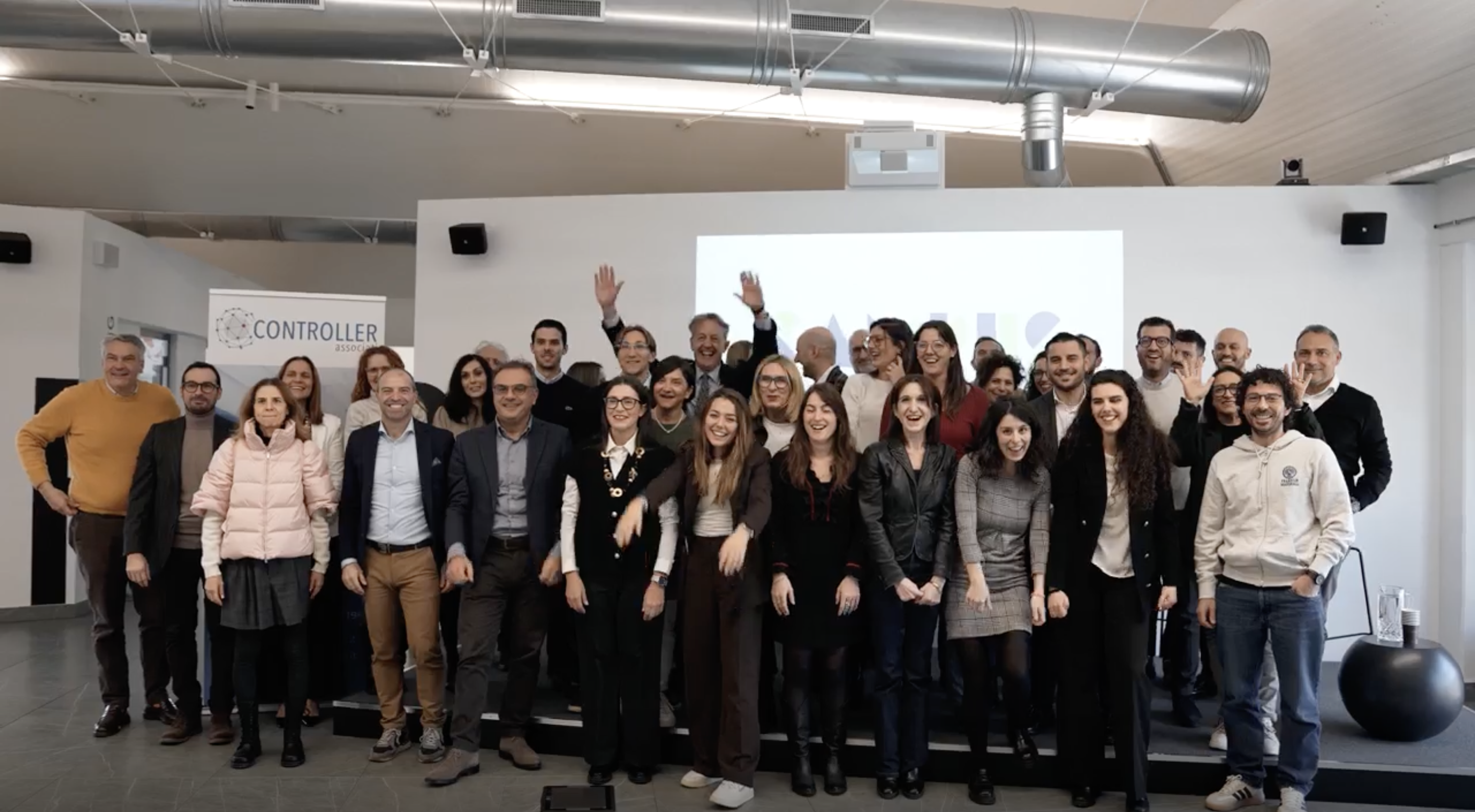
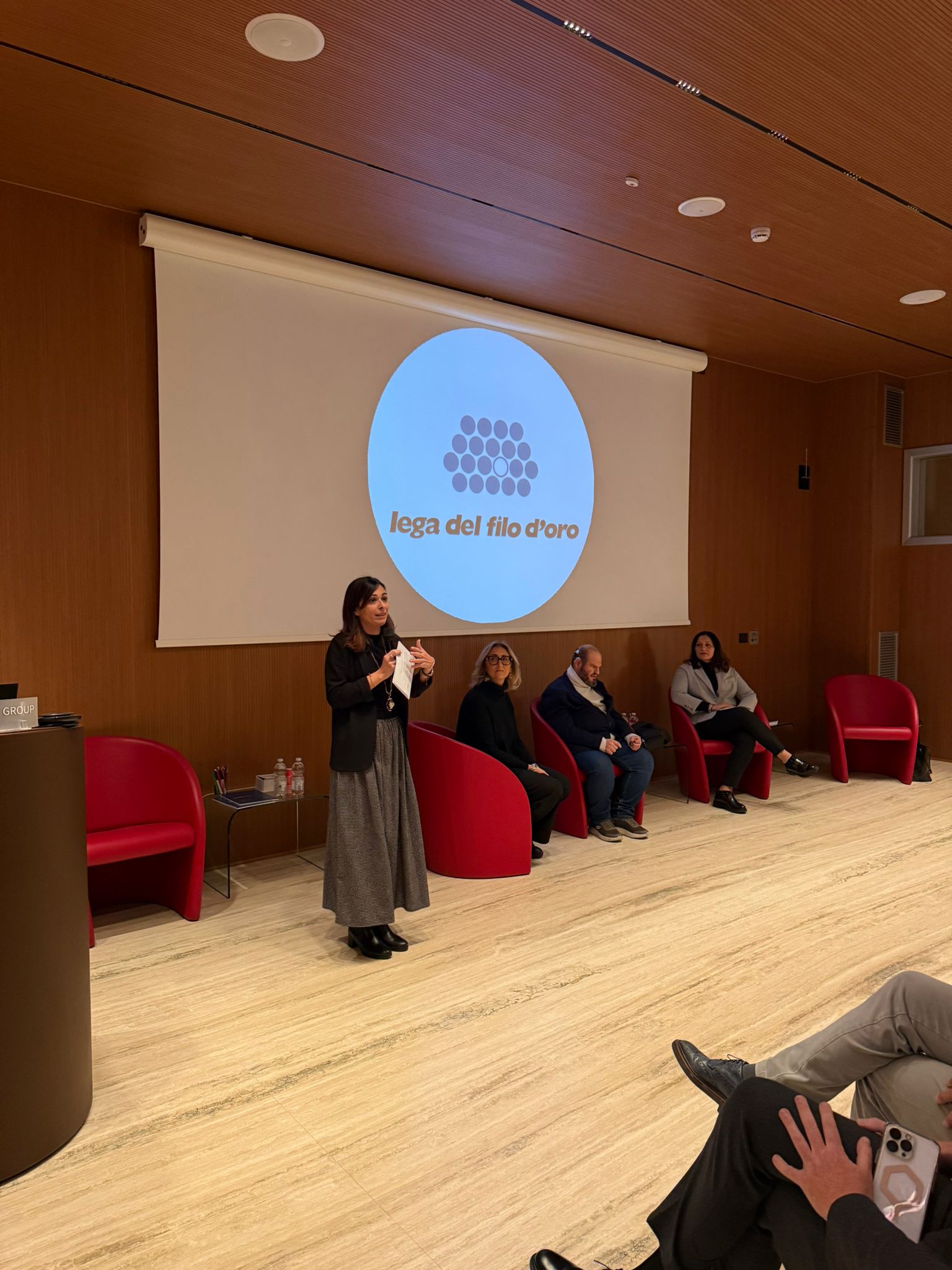
In this sense, the workshop provided a valuable opportunity to explore the central role of occupational well-being as a lever of corporate competitiveness and to explore concrete strategies that can foster it.
After an opening centered on the more general topics of sociology and psychology of work, which study these phenomena closely, some experiences from the business, union and public worlds enabled the audience to take a closer look at the solutions already available today and to reason about possible ones in the future.
Stories
Campus events
Sustainability
Campus events
Corporate
Training
Campus events
Training
Corporate
Campus events
Corporate
Corporate
Corporate
Campus events
Corporate