Research
Sustainability
Research 20 November 2026
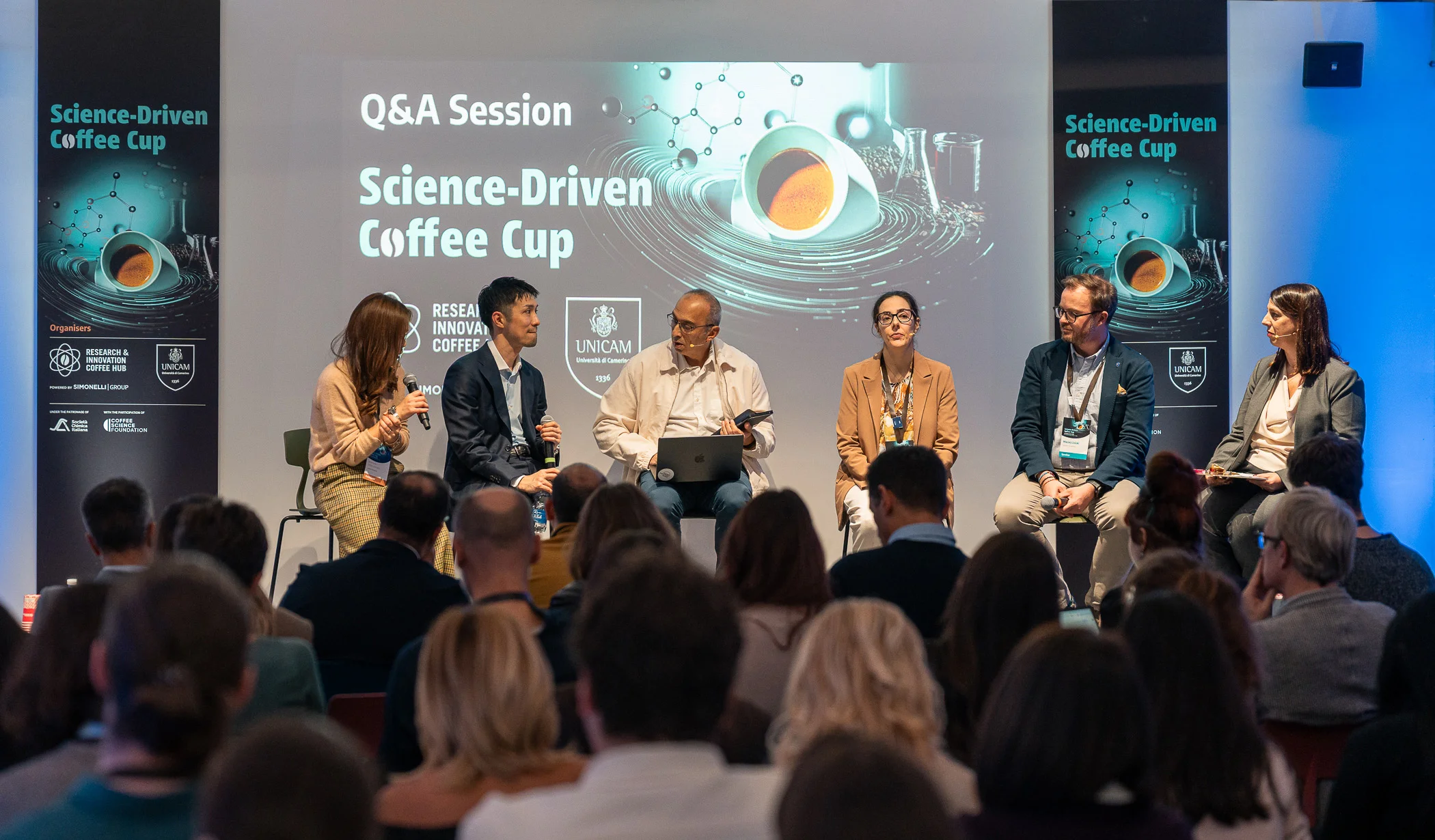
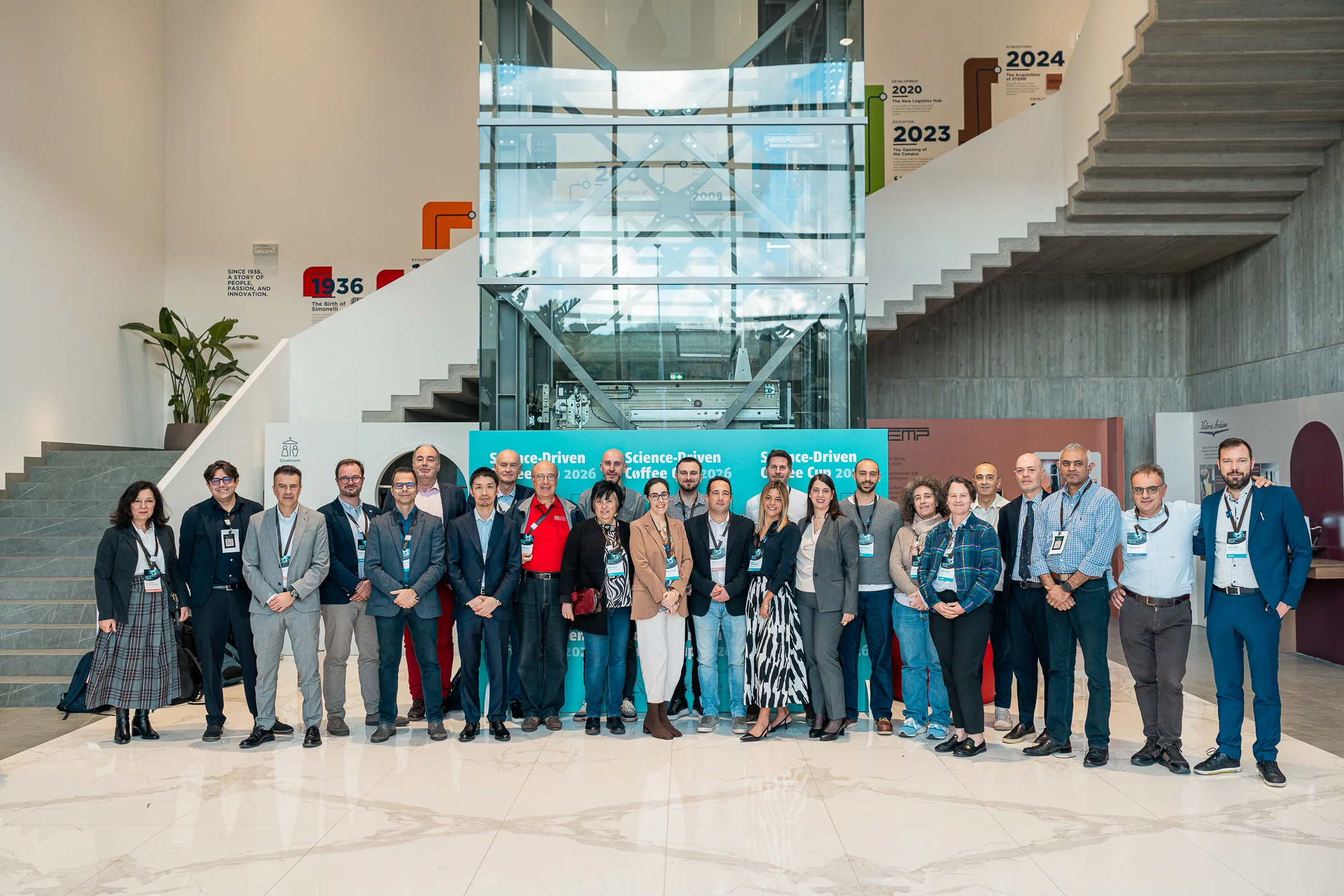
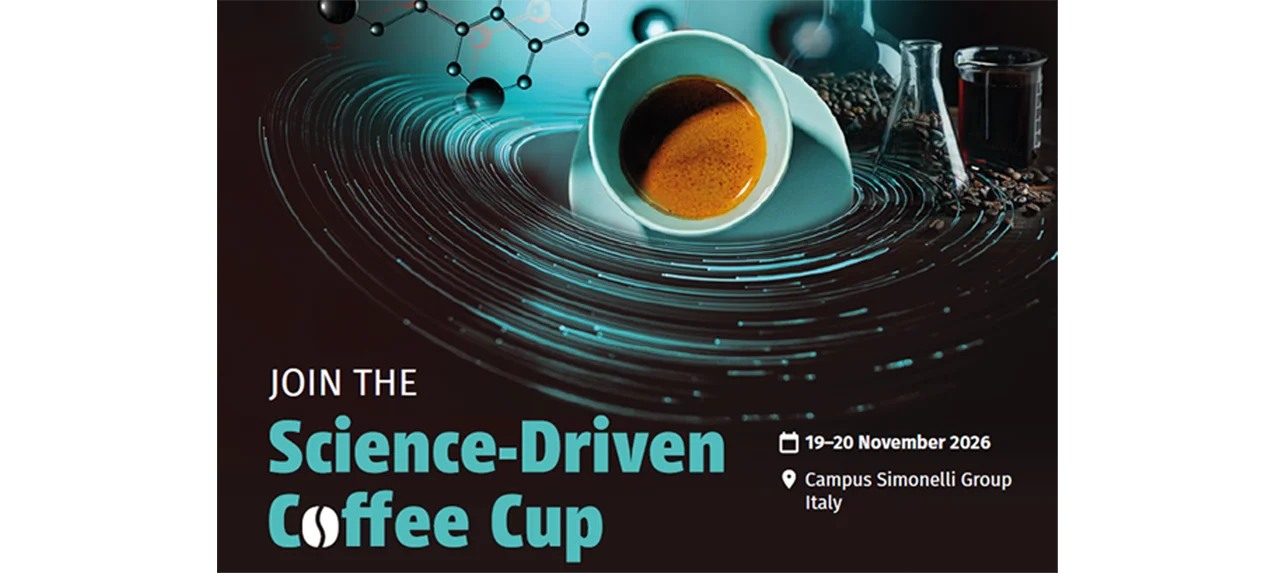
The first edition of Science Driven Coffee Cup, the international conference promoted by the Research & Innovation Coffee Hub (RICH), concluded on Friday, November 20. Established through the collaboration between the University of Camerino and Simonelli Group, with the patronage of the Italian Chemical Society and the participation of the Coffee Science Foundation, the event transformed the Simonelli Group Campus into a meeting point for the global scientific and professional coffee community.
Over the two days, the conference welcomed more than 130 participants from 16 countries: Australia, the United States, the United Kingdom, Greece, Poland, Turkey, Slovenia, Switzerland, Spain, Germany, Ireland, Saudi Arabia, Finland, Japan, the Netherlands, and Italy.
The event coincided with the tenth anniversary of the Research & Innovation Coffee Hub (RICH), the research center founded in 2016 by the University of Camerino and Simonelli Group. It reaffirmed the value of a shared vision that sees collaboration among academia, industry and coffee professionals as a powerful driver of new knowledge and innovation across the coffee sector.
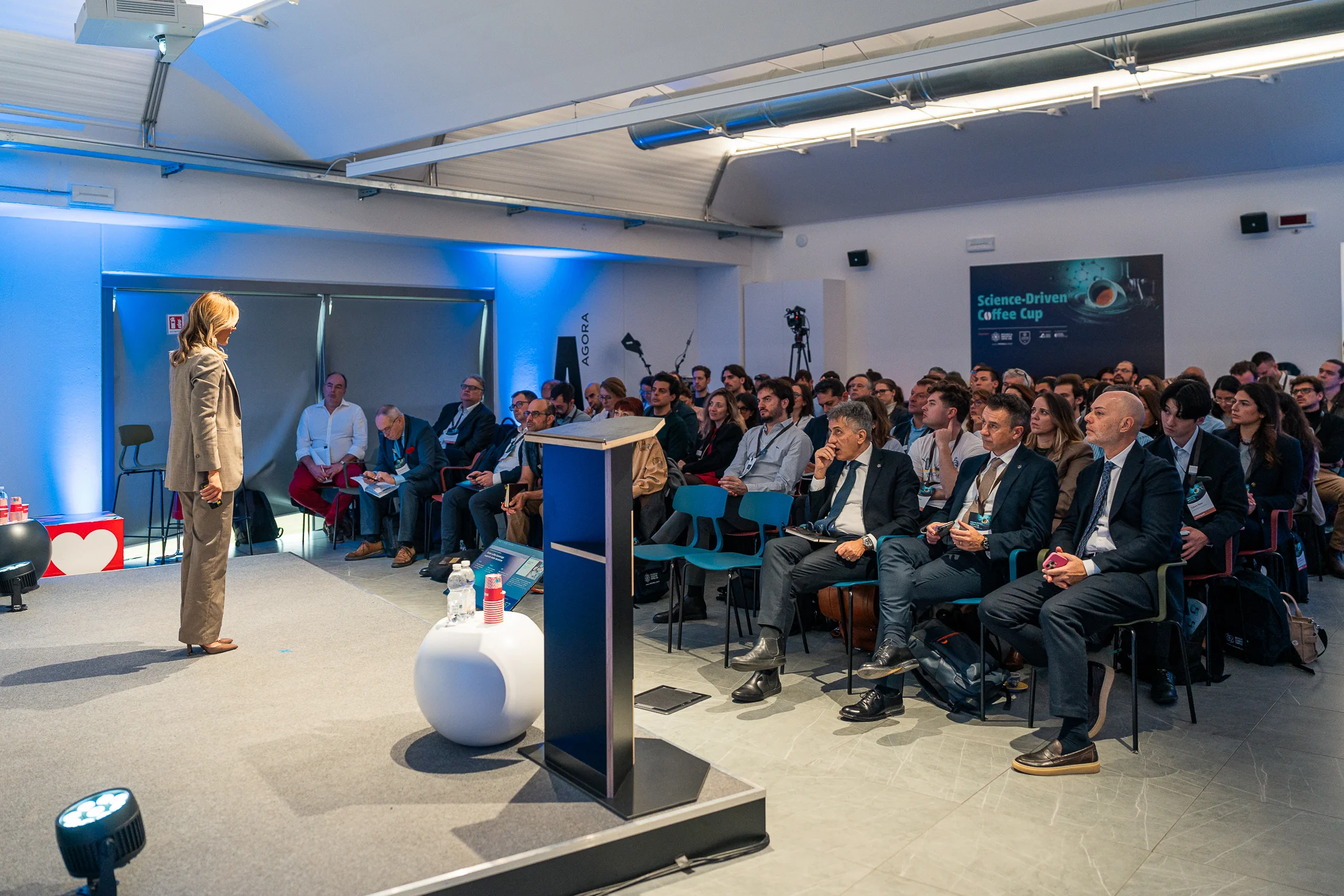
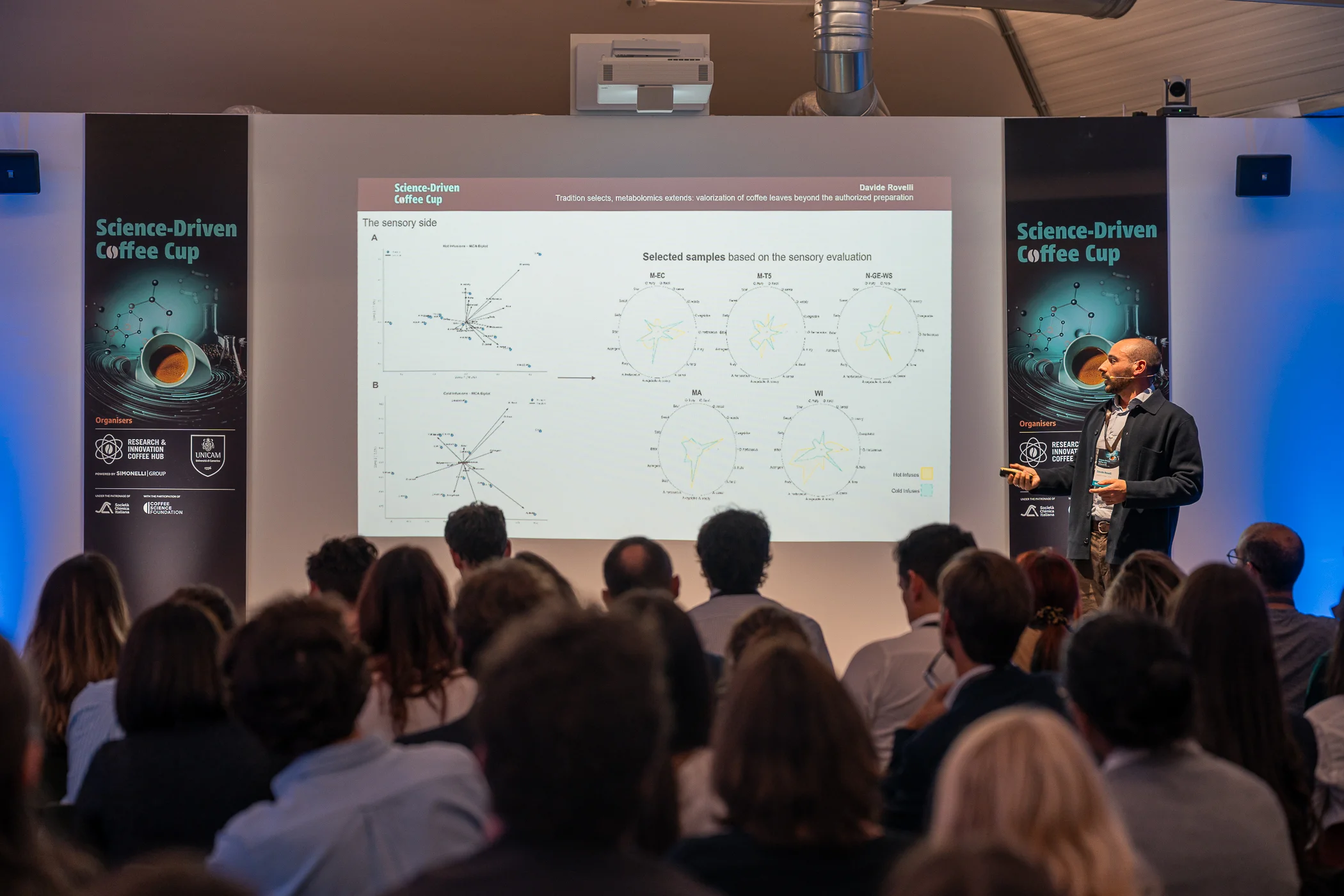
Throughout the conference, researchers, academics, companies, and industry professionals shared findings, methodologies, and perspectives through five scientific sessions, 20 oral presentations, four keynote lectures, two plenary lectures, and 18 scientific posters, offering a comprehensive overview of the latest frontiers in international coffee research.
Among the key themes that emerged were the increasingly important role of coffee chemistry and flavoromics in understanding consumer preferences; the application of artificial intelligence and predictive models to quality assessment and production processes; advances in analytical technologies for authenticity and traceability; opportunities offered by the circular economy for the valorization of coffee by-products; and a deeper understanding of the relationship between sensory perception, neuroscience, and consumer behavior.
Significant attention was also devoted to sustainability, with studies examining roasting process efficiency, the recovery of high-value compounds from coffee silverskin and spent coffee grounds, the development of packaging and functional ingredients derived from coffee by-products, and the optimization of natural resource use in coffee-growing regions.
Sessions dedicated to the physics of grinding and extraction highlighted how advanced simulation tools, digital twins and mathematical models can improve the scientific understanding of espresso preparation and pave the way for new levels of beverage personalization.
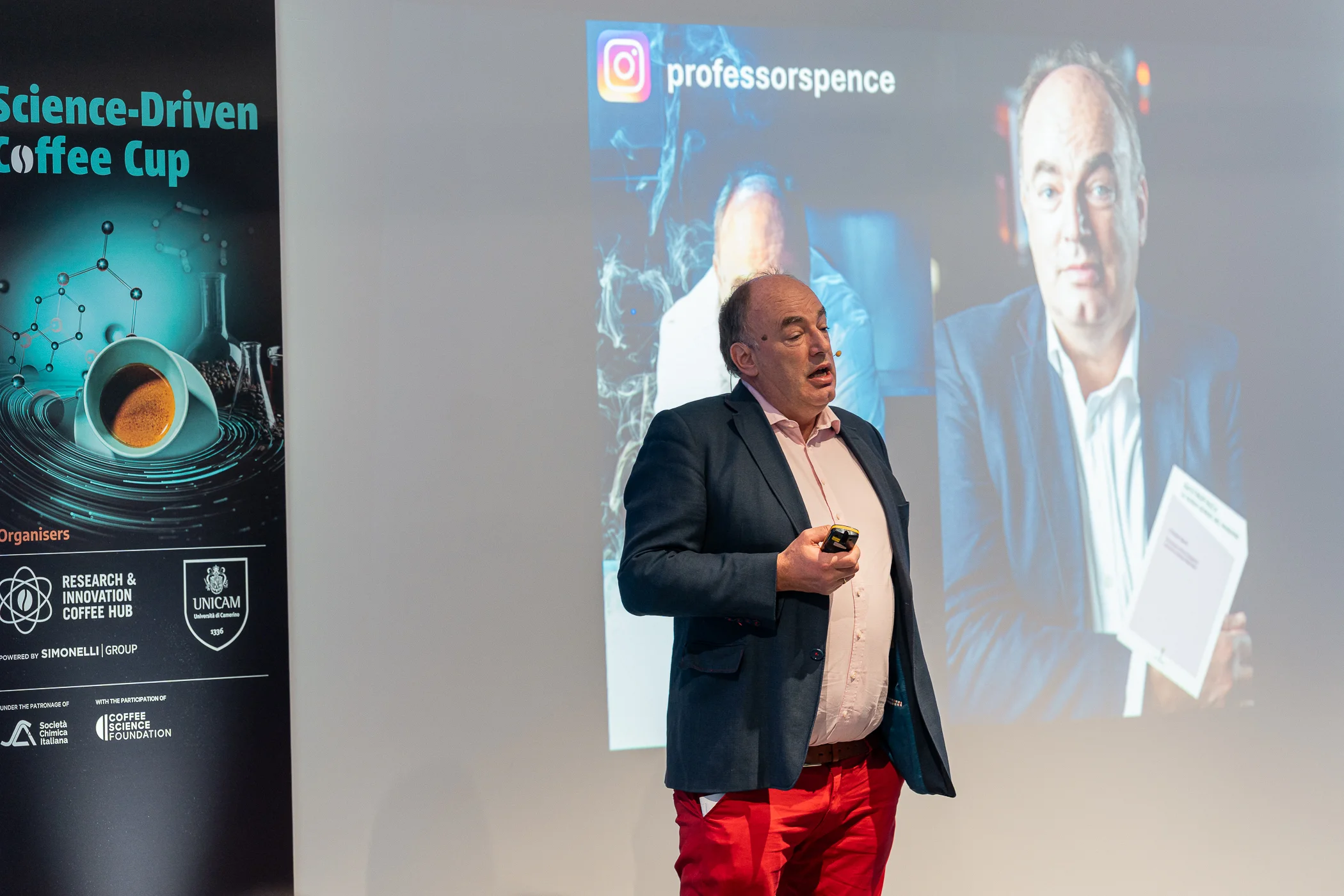
Among the most innovative research areas presented during the conference, neuroscience applied to coffee attracted particular interest. Presentations demonstrated that the perception of beverage quality does not depend solely on its chemical or sensory characteristics, but is influenced by a complex interaction between the brain, memory, expectations, environmental context and multisensory stimuli. Researchers also showed how differences in saliva composition may help explain why the same coffee can be perceived differently from one individual to another.
Presentations by some of the world’s leading experts in sensory science and consumer psychology revealed how seemingly secondary elements, such as cup design, environmental color, sound, language used to describe a beverage and even pre-tasting expectations, can significantly affect the perception of aroma, body and overall enjoyment of coffee. This perspective broadens the traditional concept of quality, shifting attention from the product itself to the consumer’s entire experience.
In addition to perceptual aspects, scientific contributions explored the relationship between coffee’s bioactive compounds, cognitive functions and well-being, examining the role of caffeine, polyphenols and other naturally occurring molecules in attention, memory and mental performance. Neuroscience is opening new perspectives not only on how coffee is produced and prepared, but also on how people perceive, interpret and choose it.
The conference featured internationally renowned speakers in the fields of coffee science and sensory research, including Devin Peterson (The Ohio State University), Charles Spence (University of Oxford), Philipp Weller (Mannheim University of Applied Sciences), Jean-Xavier Guinard (University of California, Davis), Samo Smrke (Zurich University of Applied Sciences – ZHAW) and Tomonori Suzuki (Suntory Beverage & Food).
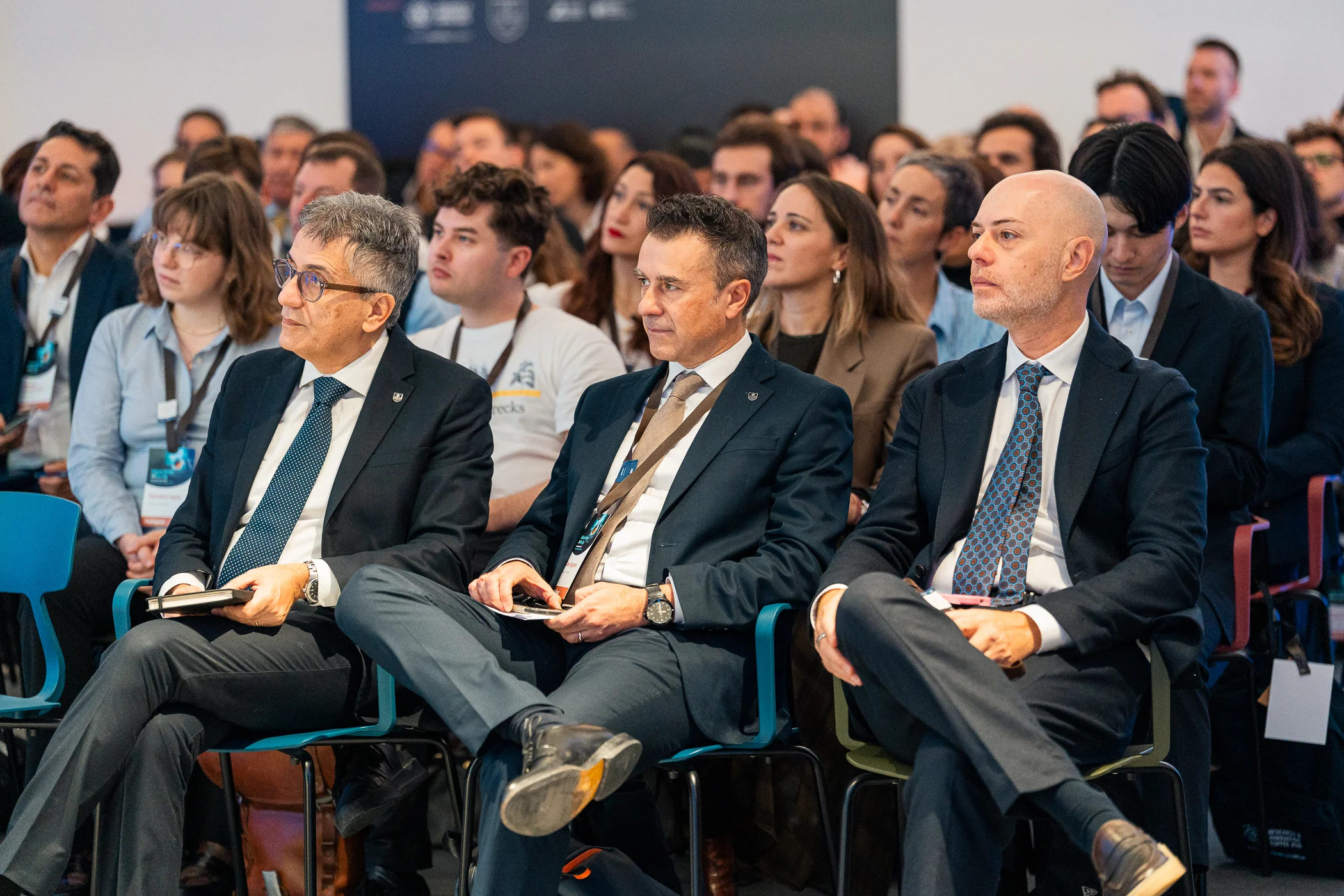
Science Driven Coffee Cup also served as a valuable platform for networking and interdisciplinary exchange, fostering new connections among universities, research centers and companies operating throughout the international coffee value chain. This approach reflects the shared mission of RICH, the University of Camerino and Simonelli Group: to create an open ecosystem where dialogue among different disciplines translates into tangible innovation and benefits for the entire coffee industry.
Alongside oral presentations and keynote lectures, the poster session played an important role, featuring 18 scientific contributions from universities, research institutes and companies across multiple countries, providing participants with additional opportunities for discussion and collaboration.
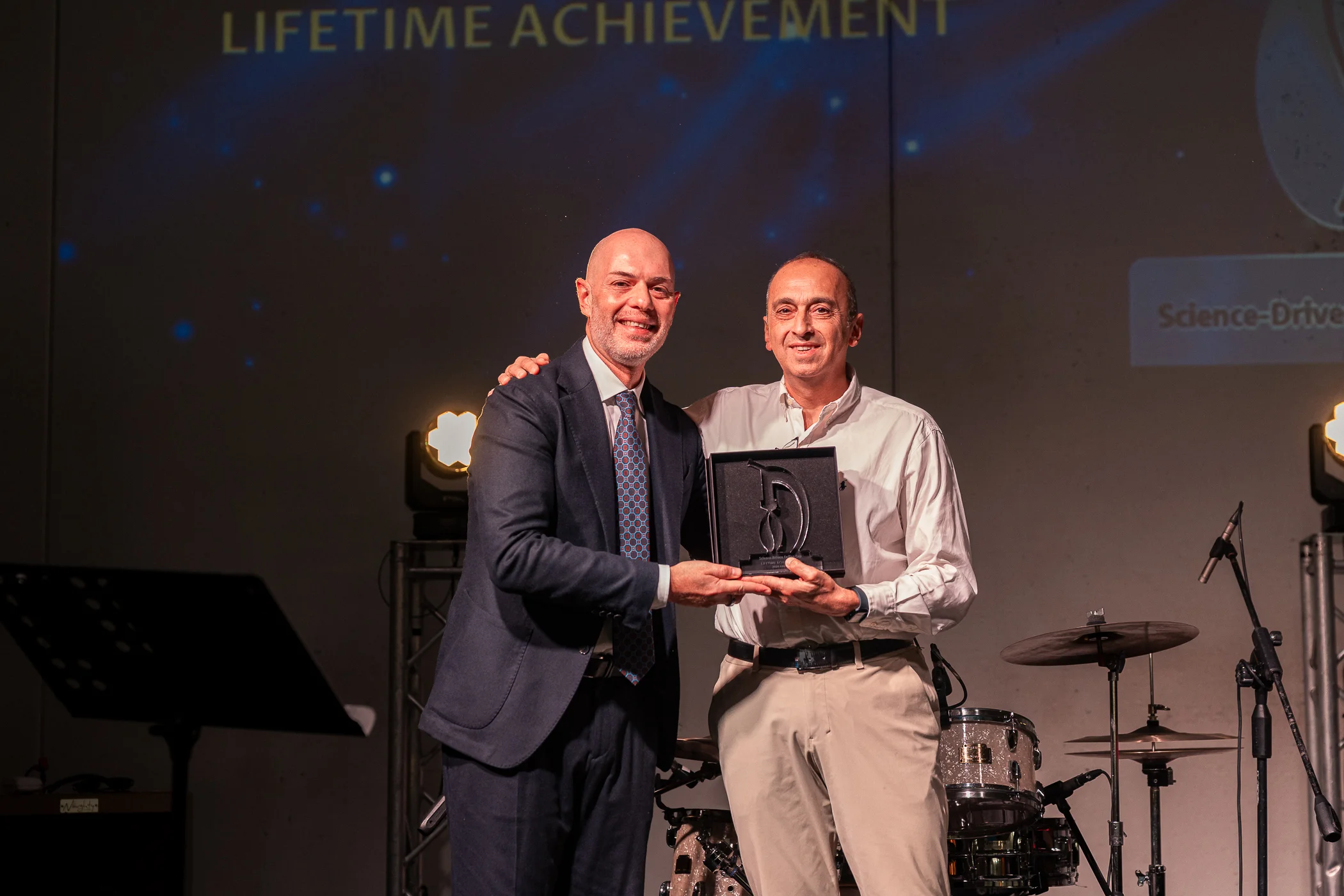
The gala dinner held on Thursday, November 19, also provided an opportunity to recognize some of the most influential figures in international coffee research through the Science Driven Coffee Cup Awards 2026.
The Lifetime Achievement Award was presented to Chahan Yeretzian for his extraordinary contribution to the advancement of coffee science. The Coffee Science Excellence Award was awarded to Devin Peterson for his research linking chemistry and sensory perception. The Sensory Vision Award was presented to Charles Spence for his pioneering studies on multisensory consumption experiences. The Rising Star Award was awarded to Davide Rovelli, an emerging researcher in coffee chemistry, while the Circular Innovation Award was presented to Alessia Maria Shouten for her research on the valorization of spent coffee grounds within a circular economy framework.
As highlighted in the conference Book of Abstracts, the true value of Science Driven Coffee Cup cannot be measured solely by the knowledge shared during the event, but also by the questions it generates, the collaborations it builds and the future research and technological solutions it inspires. This vision reflects the key message that emerged throughout the conference: there is still much to discover in a cup of coffee.
Simonelli Group is already working on the next edition of Science Driven Coffee Cup, with the goal of exploring new frontiers in coffee research, strengthening dialogue between academia and industry, and continuing to promote a coffee culture that is increasingly evidence-based, informed and scientifically driven. This commitment represents a tangible contribution to the sustainable growth and innovation of the global coffee value chain.
Stories
Research
Sustainability
Campus events
Research